
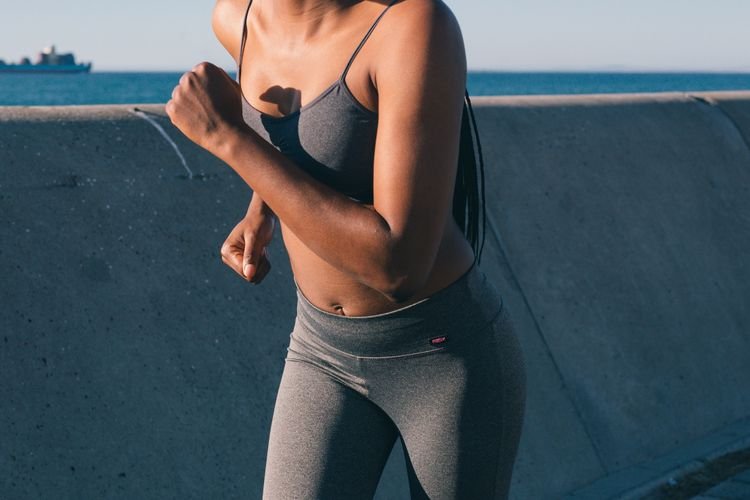
If you’ve scrolled through Instagram, TikTok, or Pinterest in the last decade, you’ve almost certainly encountered the acronym OOTD. It pops up on perfectly lit mirror selfies, flat lays of folded sweaters, and short-form videos of people twirling in new dresses. But what does OOTD actually mean — and why has it become such a cornerstone of online fashion culture?
What Does OOTD Mean?
OOTD stands for “Outfit of the Day.” It’s a social media term — originally popularized on fashion blogs and early Instagram — where someone shares what they’re wearing on a given day. Simple as that. The #ootd hashtag acts as a daily digital diary entry for personal style, giving everyday people (and professional fashion creators) a way to share, inspire, and connect through clothing.
The term first gained traction in the early 2010s as fashion blogging exploded. Before influencers were a career category, regular people were photographing their outfits and tagging them #ootd to reach a wider audience. Today, the hashtag has billions of posts across platforms and has become one of the most-used tags in fashion content worldwide.
OOTD in Everyday Language
Beyond social media, OOTD has crept into everyday text speak. If a friend texts “cute ootd today 🔥” — they mean your outfit looks great. It’s now used informally in group chats, comments, and DMs the same way you’d say “nice look.”
You might also see related variations:
- OOTW — Outfit of the Week
- GRWM — Get Ready with Me (a video format showing the full getting-dressed process)
- Fit check — A quick video or photo asking “does this outfit work?”
All of these grew from the same impulse as the original OOTD: sharing personal style in a casual, community-driven way.
Why OOTD Content Became So Powerful
The OOTD format resonated because it democratized fashion. You didn’t need a magazine photoshoot or a luxury wardrobe to share your style — you just needed a decent photo and an outfit you felt good in. That accessibility made it wildly popular.
For fashion brands and retailers, OOTD content became invaluable social proof. Seeing a real person wear a dress from ASOS or a jacket from Zara — styled in their own way, in their own environment — converts browsers into buyers far more effectively than a polished campaign ad. This is why brands now actively encourage customers to tag their purchases and why “tag us in your OOTD” is a standard call-to-action on packaging and receipts.
How to Post a Great OOTD
Whether you’re starting a fashion account or just want to up your personal style content, here’s what makes an OOTD post stand out:
1. Lighting Is Everything
Natural light is your best friend. Shoot near a window or outside during golden hour (the hour after sunrise or before sunset). Harsh overhead lighting flattens outfits and washes out colors. If you’re shooting indoors at night, a ring light is worth the investment.
2. Find Your Background
A plain white wall, a brick exterior, a leafy street — the background frames the outfit without competing with it. Busy or cluttered backgrounds pull attention away from what you’re wearing.
3. Show the Full Look
Full-body shots are standard for OOTDs because they show the complete outfit — shoes included. Shoes finish an outfit and people genuinely want to know what’s on your feet. Include at least one full-length shot, then add detail shots of accessories, textures, or interesting elements.
4. Include the Details People Actually Want
- What are you wearing and where is it from?
- How does it fit? (True to size? Runs small?)
- What’s the occasion — work, brunch, casual day out?
The best OOTD captions feel like a conversation, not a product listing. Write the way you’d tell a friend about your outfit.
5. Tag the Brands
Tagging brands in your posts increases your chances of being reshared to their audiences, which can grow your following quickly. Even if you’re not a professional creator, tags put your content in front of people actively seeking outfit inspiration from those brands.

Posting OOTDs Consistently: The Key to Growing Your Fashion Presence
Here’s something the most successful fashion content creators understand that casual posters don’t: consistency matters more than perfection. Posting sporadically — a burst of content one week, then nothing for three — signals to platform algorithms that you’re not a reliable source of content. Your reach suffers, and your audience loses the habit of engaging with you.
The solution most creators land on is batching and scheduling. They set aside time once or twice a week to photograph multiple outfits at once, then drip those posts out daily or every other day. To keep that cadence without being glued to your phone, many fashion creators use a social media scheduler to queue posts in advance and publish them automatically — so your OOTD goes live at peak engagement time even if you’re at work or asleep.
This approach also frees you to focus on the creative side — planning outfits, shooting, writing captions — rather than scrambling to post in real time. The most polished accounts you follow almost certainly aren’t posting spontaneously; there’s a content calendar behind the curtain.
OOTD on Different Platforms
The OOTD format has adapted to each platform’s native style:
Instagram: Still the spiritual home of OOTD content. Static photos perform well in the feed, but Reels now get significantly more reach. A 15–30 second “fit check” Reel — a quick spin or walk showing off the outfit — consistently outperforms static posts in impressions.
TikTok: Video-first by nature. The best fashion TikToks are styled like short entertainment — a “get ready with me,” a transition from casual to dressed-up, or a “rate my outfits this week” compilation. Raw, authentic energy performs better here than overly polished content.
Pinterest: Less social, more searchable. Pinning your OOTDs here has long-tail value — a well-tagged outfit pin can drive traffic for months or years after posting. Great for driving visitors to a fashion blog or website.
The OOTD Community
One of the most underrated aspects of OOTD culture is the community it creates. The hashtag is genuinely collaborative — people leave helpful comments about where to find similar pieces, share their own interpretations of a style, and offer encouragement. Fashion can feel intimidating, but OOTD posts normalize the idea that style is personal, experimental, and fun rather than a performance for judgment.
For those just starting out, the advice is always the same: just start posting. Your early content won’t be perfect. Neither was everyone else’s. What matters is developing your eye, finding what you enjoy sharing, and connecting with people who have similar taste.
Quick Reference: OOTD and Related Terms
| Term | Meaning |
|---|---|
| OOTD | Outfit of the Day |
| OOTW | Outfit of the Week |
| GRWM | Get Ready with Me |
| Fit check | Quick outfit approval request |
| Flat lay | Overhead photo of outfit laid flat |
| Lookbook | Curated collection of outfit posts |
Whether you’re a devoted fashion follower trying to decode social media shorthand, or an aspiring creator ready to start posting your own outfits, OOTD is your entry point into one of the most welcoming corners of the internet. Check out our outfit ideas guides to find inspiration for your next post, or dive into how to find your personal style if you’re still figuring out what you want your OOTD content to look like.