
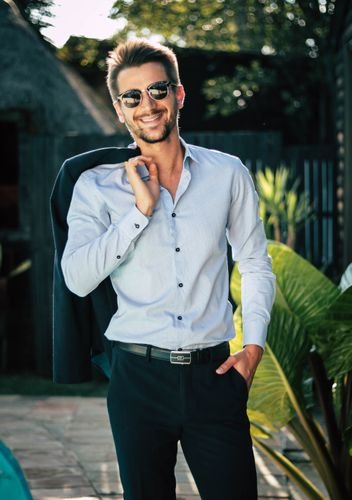
You’ve landed the interview — now comes the next big challenge: figuring out what to wear. Research consistently shows that first impressions are formed within seconds, and your outfit plays a major role in that initial perception. Dressing appropriately for an interview isn’t about being someone you’re not; it’s about communicating respect, preparation, and self-awareness.
This guide covers everything you need to know about what to wear to an interview, including industry-specific guidance, outfit ideas for different dress codes, and the small details that can make or break your look.
The Golden Rule: Research the Company Culture First
Before opening your closet, do your homework. What you wear to a creative agency interview is very different from what you’d wear to a law firm. A few ways to gauge the company culture:
- Browse their social media: Do employees look formal or creative in photos?
- Check their website: Professional service firms tend toward formal; tech startups toward casual.
- Look up Glassdoor reviews: Current and former employees often mention dress culture.
- Ask the recruiter: There’s no shame in asking what the typical attire is for the team.
When in doubt, dress one step above what you think the standard is. It’s always better to be slightly overdressed than underdressed.
Interview Outfits by Industry
Corporate, Finance, and Law
These industries remain the most formal. A full business professional look is expected and respected.
Women: A tailored blazer with matching trousers or a pencil skirt, in neutral colors (navy, black, charcoal, dark grey). A silk blouse, closed-toe heels, and minimal jewelry complete the look.
Men: A well-fitted suit in navy, charcoal, or grey with a pressed button-down shirt, a tie, and polished leather shoes. Make sure the suit is properly tailored — an ill-fitting suit, even an expensive one, undermines your look.
Tech, Startups, and Creative Industries
These environments are typically business casual or smart casual. You want to look polished but not stiff.
Women: Tailored trousers with a quality blouse, a midi dress with flats or low heels, or a clean blazer-and-jeans combo.
Men: Chinos with a button-down shirt, a blazer over a neat fitted tee, or dark jeans with a quality polo. Clean sneakers can work in very casual tech environments.
Healthcare, Education, and Non-Profit
A smart casual approach typically works well here. Look approachable and professional without being overly formal.
Women: A wrap dress, a blouse with trousers, or a casual blazer over simple separates.
Men: A button-down shirt with chinos or dress trousers, and clean shoes.
Retail and Hospitality
Smart casual to business casual. Research the brand’s aesthetic and mirror it slightly — it shows you understand their culture.
Interview Outfit Ideas for Women
1. The Power Blazer Look
A tailored blazer in a classic color over a simple fitted top, with tailored trousers and block-heeled shoes. This works for almost any industry at any level. Choose navy, black, or camel for maximum versatility.
2. The Professional Dress
A knee-length shift dress or a structured wrap dress in a solid color reads as professional and polished. Pair with a low heel or flat and a structured bag.
3. The Pantsuit
A well-fitting pantsuit says “I mean business” without feeling stuffy, especially if you choose a modern cut and a thoughtful color. Opt for tailored wide-leg or straight-leg trousers rather than an overly boxy or dated cut.
4. Smart Casual Blouse and Trousers
For more casual industries: a silk or quality cotton blouse tucked into tailored trousers, with loafers or ankle boots. Add a blazer if you want to feel more secure.
Interview Outfit Ideas for Men
1. The Classic Suit
Navy or charcoal grey, properly fitted, with a white or light blue dress shirt. You can choose to wear a tie based on industry — always appropriate, never wrong in formal settings.
2. Business Casual: Blazer + Chinos
A solid-colored blazer (navy, grey, or tan) over a button-down shirt with chinos and leather loafers. Clean, sharp, and versatile across industries.
3. Smart Casual: Quality Trousers + Tucked-In Shirt
In relaxed tech or creative industries, well-fitted dark trousers with a pressed button-down shirt and leather shoes or clean leather sneakers looks polished without over-dressing.
The Details That Matter
Colors to Choose
- Safe and professional: Navy, charcoal, black, white, ivory, camel, and grey
- Thoughtful color additions: Burgundy, forest green, and cobalt can communicate confidence and personality without being distracting
- Colors to approach carefully: Overly bright hues, neon, or very busy patterns can distract from you and your qualifications
Grooming and Accessories
- Hair should be neat and away from your face if it tends to fall forward
- Nails should be clean; nail polish should be neutral or subtle
- Fragrance should be light — you don’t want it to enter the room before you do
- Jewelry should be minimal and not distracting
- Bags should be structured and clean
Fit Is Everything
No matter how expensive or professional your clothes are, if they don’t fit properly, they’ll undermine your look. Trousers that are too long, a blazer that pulls across the shoulders, or a shirt that billows — all of these communicate a lack of attention to detail. Get key pieces tailored if needed.
What NOT to Wear to an Interview
- Anything revealing: Deep necklines, very short hemlines, or cutouts
- Wrinkled or stained clothing: Always check the night before
- Strong perfume or cologne: Can be a distraction or allergen
- Overly casual items: Jeans with rips, hoodies, or casual sneakers (unless the role is in a very casual environment)
- Very loud patterns or statement prints: Keep attention on your words, not your wardrobe
- New shoes you haven’t broken in: You don’t want to be distracted by discomfort
What to Do the Night Before
- Lay out your complete outfit: Top to bottom, including accessories and shoes
- Check for wrinkles or missing buttons: Iron or steam anything that needs it
- Make sure everything is clean: No stains, lint, or pet hair
- Try it all on together: Make sure the whole look works and you feel comfortable moving in it
For a deeper dive into the dress code territory just above interview-level casual, check out our guide on smart casual dress code. And if you’re building a professional wardrobe from scratch, our wardrobe essentials every woman needs guide is a great place to start.
Final Thoughts
Dressing for an interview is about removing friction from the hiring manager’s decision. You want them focused on your skills, your experience, and your personality — not distracted by what you’re wearing or forming negative assumptions because of it. A well-chosen outfit communicates professionalism, self-awareness, and preparation before you’ve said a single word.
When you feel good in what you’re wearing, you project confidence. And in an interview, confidence is one of the most important things you can bring.